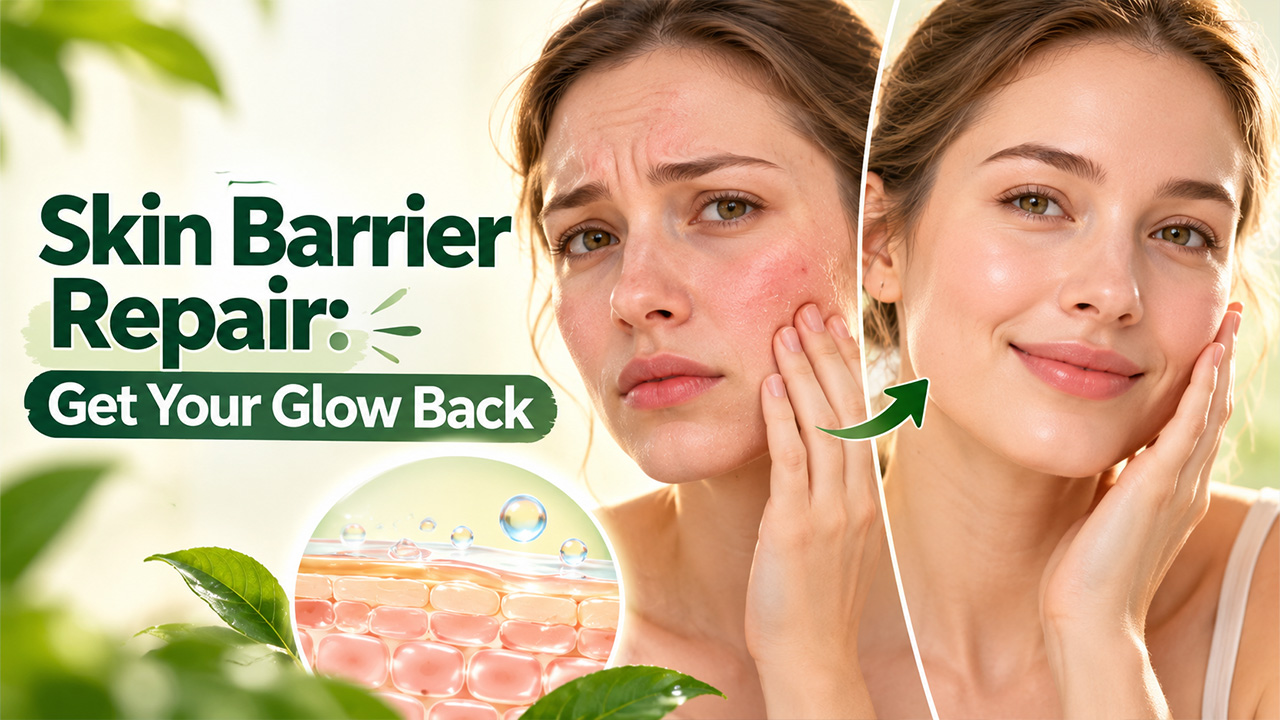
Skin Barrier Repair is essential when your skin feels dry, tight, irritated, or burns after applying your favorite skincare products. Many people with sensitive skin try different products to relieve these symptoms without first understanding what is causing them.
Your skin’s barrier function is often the reason behind these problems. The outermost layer of your skin, known as the skin barrier, protects your body from external irritants and helps lock in moisture. However, harsh cleansers, climate changes, and even stress can weaken this protective layer.
The good news is that your skin barrier has a natural ability to recover when given proper care. In this article, you’ll learn how skin barrier repair works, how your skin restores itself, and what you can do differently to support healthier, more comfortable skin.
Understanding the Skin Barrier and Its Function
The skin barrier makes up the outermost layer of our skin and consists of very thin walls. To put it another way, think about how experts describe it – they say that the skin barrier functions similarly to a brick wall made out of cells and fats.
To be specific, these “bricks” consist of the flat surface of skin cells with an oily substance (lipids) filling all the gaps between them. This includes ceramides, fatty acids, and cholesterol.
This wall has two main jobs. First, it keeps water inside the body so skin stays soft and healthy. Second, it blocks germs, allergens, pollution, harsh chemicals, etc. from entering. This barrier also keeps the skin mildly acidic, which limits the growth of germs.
Though we might not actually be able to look at the skin barrier, we’ll definitely know if it doesn’t work properly. A good skin barrier will mean the skin remains smooth and evenly toned without issues such as itching or tightness.
When damage does occur to parts of the barrier (like losing important lipids), small cracks start to appear allowing all sorts of nasties to get under the skin. Our skin does have an ability to self-repair itself, which means gentle treatment of the skin is usually more effective than heavy one.
Recognizing the Signs of a Compromised Barrier
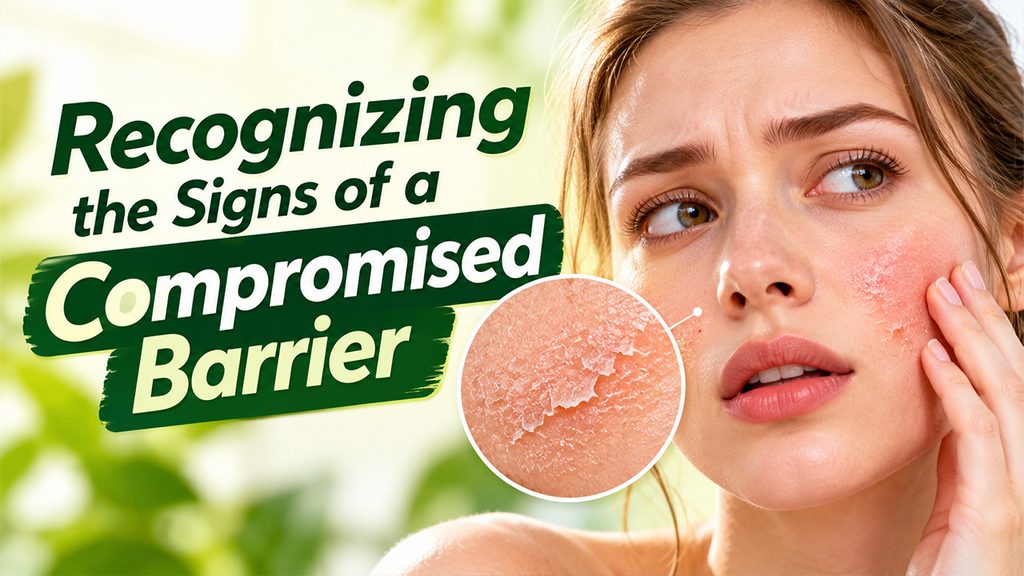
Dry skin doesn’t have oil, but if the skin’s barrier has been damaged, the skin will lose water. It’ll react badly to lots of different things too. Here are some common tell-tale signs – remember they tend to come in groups (so there may be more than one symptom).
- Tightness – Skin feels tight when touched or shortly after applying a rich cream.
- Stinging – Products sting when used on the skin instead of just feeling fine. This might feel like a burning sensation or irritation.
- Redness and rough patches – Your face may look reddish with flaky patches on your cheeks. It will feel rough when you run your hand over your skin.
- Reactions – When you are exposed to various products, water, or even weather changes, your skin gets reactive.
- Breakouts – You may develop pimples regularly, and those that already exist might require extra time for healing.
- Dullness – As we know from our own skin care routines, dry skin isn’t shiny anymore, and little lines appear deeper down.
Water loss explains most of these signs — there isn’t enough water left in that area of skin to allow shine or maintain plumpness, as evidenced by this cracked wall.
There are dozens of other possible indicators we can talk about, but keep in mind that having just one doesn’t mean you’ve got some kind of damaged barrier issue, but if you have multiple ones listed above, then you should probably take a good look at what you’re putting onto your skin.
Common Causes of Barrier Damage
The first step in skin barrier repair is identifying the habits and products that weaken the skin’s protective layer – knowing what’s behind your issue gives you the power to get rid of it. So, let’s take a look at some of the main culprits:
- Over cleansing: washing your face too frequently or overusing harsh cleansers can deplete the natural oils that sit in those little spaces. Foaming cleansers and strong soap-based cleansers are commonly the reason for overly dry, tight skin that leaves you feeling squeaky-clean.
- Too many actives: scrubs, acids, retinol and even strong Vitamin C products will be working overtime on your outer-most layer and if they’re used together, OR more regularly than this, the thin line will start wearing away.
- Use hot water: Hot water removes natural oils from the skin and leaves it dry and tight. The American Academy of Dermatology advises warm water and showers/baths for 5 to 15 minutes.
- Cold weather & too much sun: Windy cold days, especially during winter, cause your barrier to become weak because there’s less moisture in the air. Similarly, when we get sunburned our skin cell barriers become weaker and stay so for days after.
- Certain Skin Conditions: If you suffer from eczema or rosacea, this means your skin’s barrier is already weak, making it more susceptible to the other causes above.
- Perfume-Based Products: Using products with fragrance (yes, even those “natural” ones)
- Stress & Sleep: Stress and poor sleep can both affect recovery. A simple routine, which may include stress relief yoga, can be part of everyday stress management.
There are multiple causes that may work together, making things worse and delaying skin barrier repair.
A Simple Routine for Skin Barrier Repair
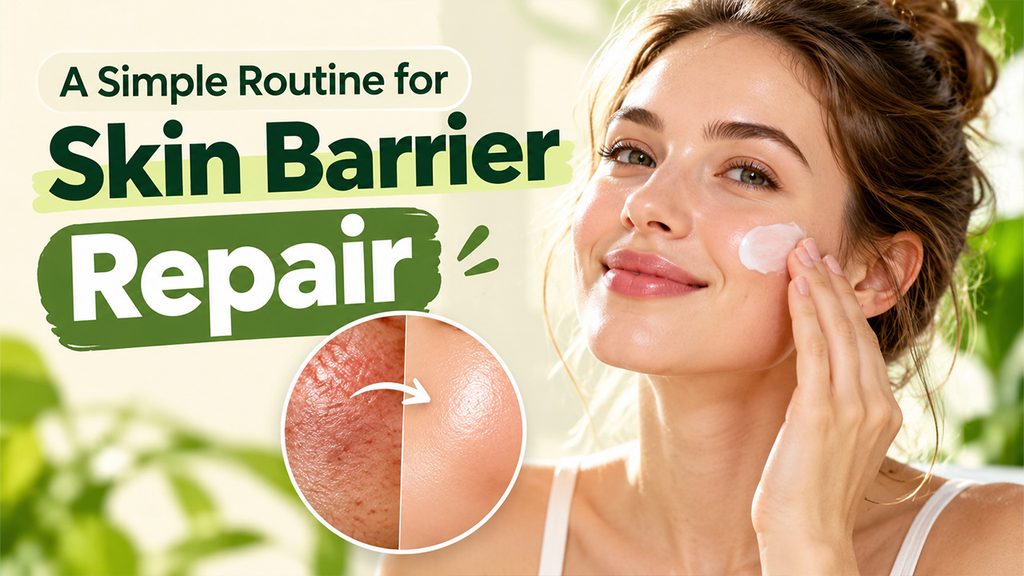
Repair works best with a short, gentle skin care routine & a few well-chosen products. Fewer products mean less chances for a skin reaction. If you’re using anything that can cause irritation like an acid, scrub or retinol right now — pause those too! Your skin isn’t ready for any extra stress right now (strong actives make it harder for your skin’s barrier to stay intact). Let’s get into some actual steps:
- Cleanse gently – Cleanse with a mild/fragrance free cleanser using luke warm water. Only do this at night. Wash your face once a day and if you wake up in the morning and feel like your skin is feeling dry, then give yourself a quick rinse with just regular water in the morning. Always pat dry with a soft towel instead of rubbing it dry with your towel.
- Moisturize – Apply moisturizer within a few minutes of washing. You want to moisturize your skin twice a day and always add a little bit extra over anywhere that looks especially dry on your skin. You will find that a thicker consistency is often better for people who have sensitive or damaged skin.
- Sunscreen – Protect by applying a broad-spectrum sunscreen every morning—even on cloudy days!
Retinol for Beginners: Should You Try It
Retinol is a form of Vitamin A that helps to get rid of dark spots on your face, clear pores, improve the texture of the skin, etc. However, Retinol can dry out your skin, causing it to peel. This damages the already-healing barrier and may delay skin barrier repair.
So, wait until your skin feels calmed down. No burning sensations, tightness, or reddening. Your basic routine will take some weeks to calm down your skin’s state. Any rush here will mean more damage and delayed healing.
When to Consult a Dermatologist
You can expect most cases of minor barrier damage to improve with simple steps you take at home. If your symptoms do not improve after a few weeks of skin barrier repair, visit a dermatologist for advice. It’s important to get help from an expert if you have swelling, oozing, or severe pain on your skin. Also, call your doctor right away if signs of infection show up — such as yellow crusts, warmth, fever, or spreading redness.
Conclusion
A healthy skin barrier keeps the water in and the germs out, but when you don’t take care of it properly — such as over-washing, using harsh products, or not hydrating enough — it may get damaged.
The good news? It’s usually easy to restore if you make some lifestyle changes. Start by washing with a gentle cleanser, moisturizing regularly, and avoiding any strong actives until the irritation clears up.
If you still aren’t seeing improvements after making these changes, talk to a dermatologist about what might be going on under the surface!
FAQs :
How do I know if my skin barrier is damaged?
Look for dryness, redness, tightness, stinging, or sudden sensitivity to products you normally tolerate.
What causes a damaged skin barrier?
Over-exfoliating, harsh cleansers, too many active ingredients, sun exposure, and cold or dry weather are common causes.
How long skin barrier repair takes?
Most people see improvement in 2 to 4 weeks, but severe damage can take longer.
Can I use retinol or vitamin C during skin barrier repair?
It’s best to not use them when your skin is in repair mode.
Can diet affect skin health?
A balanced diet fixes overall health, although it cannot replace appropriate skincare or medical treatment. Learn more in our guide what a balanced diet is and how to achieve it.