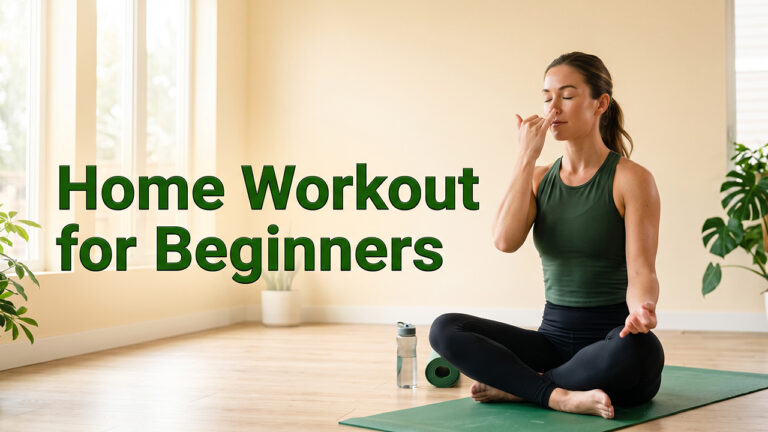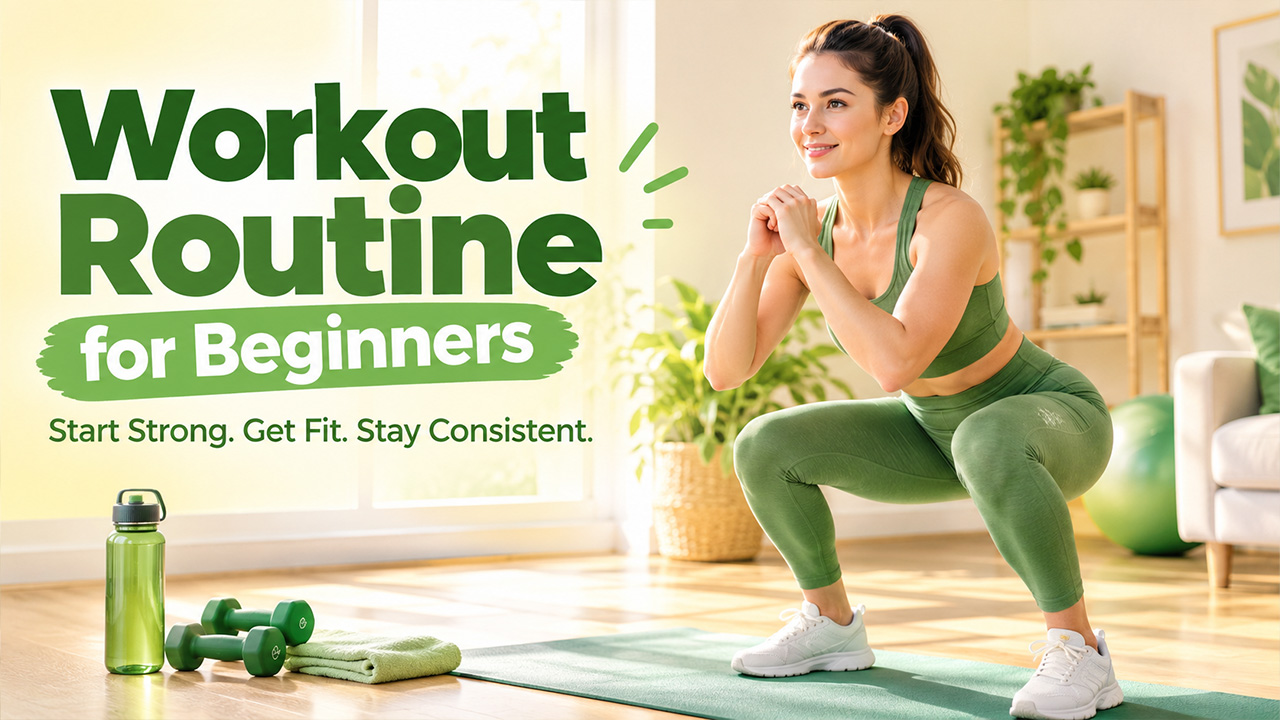
It can be hard to know which exercises to do or how often you need to work out. Workout Routine for Beginners is a simple workout plan designed to make you stronger, boost your cardiovascular endurance, and lay the foundation for a healthy lifestyle without putting your body under unnecessary stress. You won’t need any fancy equipment or a rigorous gym schedule to get started. This workout routine combines strength training, cardio, rest, and stretching into an easy-to-follow routine. What you need to know about all these new activities you’re doing can help you stay on track with your exercise routine.
Basics of a Workout Routine for Beginners
Learn about the three main types of physical activity: strength training, cardio, and stretching – and how they complement each other, so you can incorporate all three into your fitness program.
Strength Training
Strength training helps you move your muscles against resistance. Some exercises that you can start with, since they don’t need any special equipment, include bodyweight squats, wall push-ups, lunges, and bridges. If you practice these exercises regularly, you will gradually get stronger and maintain your balance.
Cardiovascular Exercise
Cardio makes you breathe faster, and your heartbeat becomes normal. You can start by walking, biking, swimming, and dancing. These are all easy-to-do exercises for beginners that can increase your heart rate and help you stay energized all day long.
Mobility and Flexibility
These types of exercises allow your joints to move freely within a safe range of motion. Simple shoulder, hip, hamstring, and calf stretches work great for a starter routine. Moving your arms around in small circles and marching in place are great to warm up and build up your whole body.
While it may be tempting to single out one activity to do as a beginner, you actually want to be sure you’re doing all three; the right mix will be based on your fitness, health, and goals.
Follow a Simple Weekly Workout Schedule
A structured schedule helps you organize exercise without training the same muscles intensely every day. Beginners benefit from alternating strength sessions with cardiovascular activity and recovery. This plan fits into any workout routine for beginners who prefer short sessions.
| Day | Activity | Duration |
| Monday | Full-body strength training | 20–30 minutes |
| Tuesday | Brisk walking or cycling | 20–30 minutes |
| Wednesday | Gentle stretching and mobility | 15–20 minutes |
| Thursday | Full-body strength training | 20–30 minutes |
| Friday | Walking or low-impact cardio | 20–30 minutes |
| Saturday | Dancing, swimming, or another enjoyable activity | 20–30 minutes |
| Sunday | Rest or gentle walking | As comfortable |
This schedule provides a mix of activities while allowing time for recovery. Beginners who feel uncomfortable exercising five or six days a week can start with three active days and gradually add sessions.
Perform Simple Exercises With Correct Technique
A workout routine for beginners works best when you use basic moves with correct form. Begin each session with a five-minute warm-up of gentle movement (easy walking, marching in place, shoulder circles). Choose four or five exercises from the list below.
Bodyweight Squats
Shift your hips back, bend your knees, and lower your body. Descend until you reach a point where you can go no farther without experiencing an uncomfortable sensation. Keep your chest open, and your weight should be distributed in your heels. Begin with 8-10 repetitions. Squats target and tone the muscles in your hips, thighs, and glutes. Make sure to follow healthy eating habits while doing this exercise.
Wall Push-ups
Stand facing a wall with your palms on the wall at shoulder height. Keep your elbows close to your sides and bend your elbows, bringing your chest to the wall. Push through your palms to straighten your arms and go back to the start position. Perform 8-12 reps. As an easier variation of a full push-up, wall push-ups strengthen the chest, shoulders, and triceps.
Glute Bridges
Lie down on your back, arms at your sides, knees bent and feet on the floor. Place your arms at your sides and raise the hips, squeezing the glutes. Hold for a moment, then release and slowly lower the hips back to the floor. Repeat 10 times. It works the glutes and is good for supporting the hips. This is a famous workout routine for beginners.
Marching on the Spot
March in place and raise each knee high with arms swinging freely. Do this for 30-60 seconds at a comfortable pace. Marching is a heart-pumping cardio workout you can do in a small room.
Bird-dog Exercise
Begin on all fours. Reach out with your right arm and stretch back with your left leg, keeping your torso steady. Return to the start position and repeat on the other side. Do 6-8 reps on each side. This exercise is great for motor coordination and abdominal stability.
Settle into a couple of arrangements of each force activity. Allow yourself 30-90 seconds of rest in the middle of your arrangements (adapt to your needs). Finish the activity if you feel a sharp pain, shortcoming, or surprising shortness of breath.
Support Your Workout Routine for Beginners With the Right Plan
Physical activity will push your muscles and cardiovascular system. It is essential that you consume enough food, liquids, and rest so that you can recover and be energized.
Consume Balanced Meals
A balanced diet consists of different types of vegetables, fruits, lean whole grains, protein, healthy fats and other foods that provide nutrients which help keep the body healthy and functioning properly, even during physical activity. Eat healthy regularly and choose the right amount of food for your body.
Stay Hydrated
Water provides temperature regulation and normal muscle function. Make sure to hydrate throughout the day, with some fluids prior to and after exercise. Your total amount of fluid intake will depend on your activity level, environment, and sweat rate. Be extra mindful of hydration during longer-duration activity and hot weather.
Get Enough Rest and Recovery.
Adults require seven to nine hours of sleep a night for recovery, mental focus and energy. Recovery days are also important between strength days so your muscles can rest. Ease in a little walking or stretching to keep yourself moving without more training stress.
Initially, you may experience mild soreness when you start to work out, but as the weeks progress, pain that refuses to go away or gets worse means that you may need some medical help. Recovery is an indispensable component of any fitness regime, as it prevents overexertion.
Conclusion
A workout routine for beginners offers a simple method to gain muscle, build muscle, and lose fat. Begin with a handful of simple exercises, incorporate a suitable weekly workout, and give adequate time for recovery and rest. A good fitness routine can include a variety of activities that can be done at home as well as at a gym. A good workout routine should also include a lot of exercise without having to go to the gym and spend a lot of money. Stay patient with your progress. Results build with steady effort, so focus on showing up each week rather than pushing too hard too soon.
Frequently Asked Questions :
How many days a week should beginners exercise?
A workout routine for beginners can start with three days weekly, combining strength and cardio, then increasing gradually as recovery allows.
How long should a workout routine for beginners last?
Twenty to thirty minutes works well; extend duration as stamina improves. A beginner workout plan is based on your will. So, choose the duration which suits you.
Can beginners exercise at home without equipment?
Yes. Squats, wall push-ups, glute bridges, and bird-dog exercises need little equipment. Exercise for Beginners is designed in a way that is easy to execute without any heavy equipment.
How long does it take to see fitness results?
It varies with consistency, nutrition, and sleep. Stamina improves within weeks; visible changes take longer.