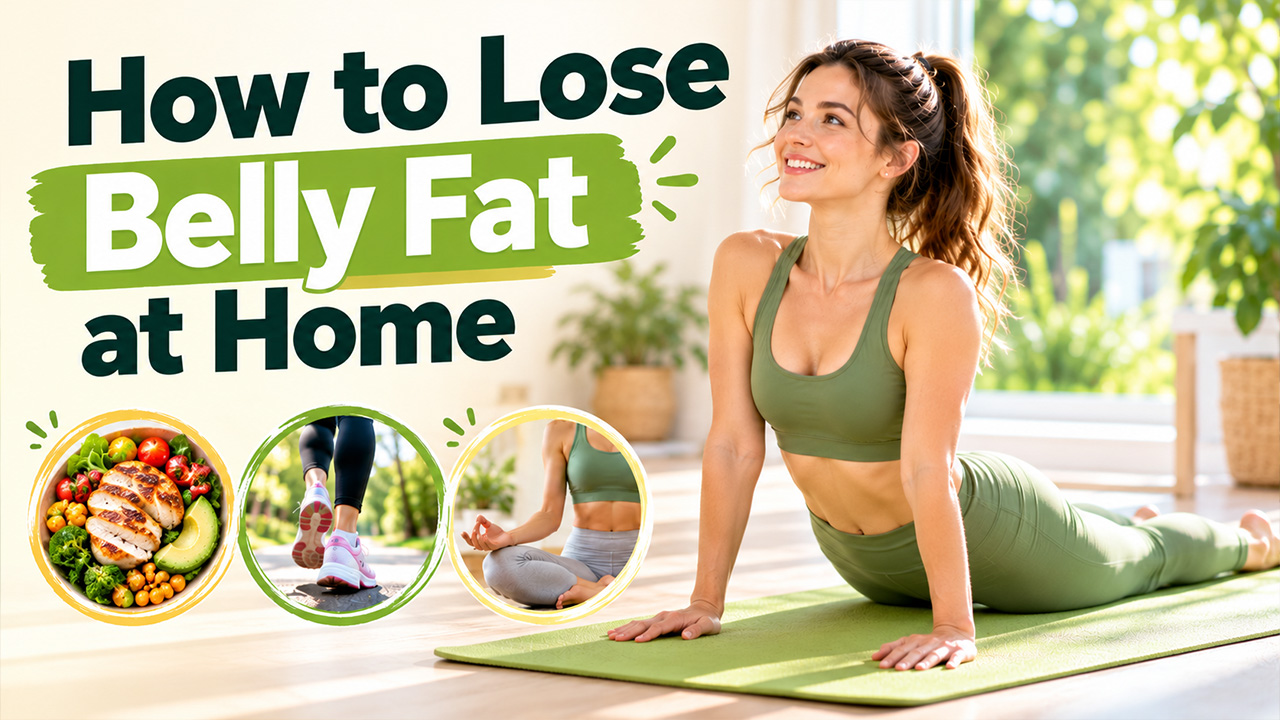
Most of us want to get rid of belly fat because of our physical appearance, but we don’t realize that excess weight stored in this area has negative effects on overall health too, such as increased chances of heart disease and type 2 diabetes etc.
To lose weight quickly, some people do hundreds of crunch exercises daily, some drink detox teas, others go through extreme dieting. But none of these ways are successful long-term.
Losing weight shouldn’t be done by focusing solely on a specific part of your body because you cannot target fat burning in just one place. The human body burns fat all over the body simultaneously and usually loses fat from abdominal areas last. So, we have created an effective lifestyle plan covering everything related to food, exercise, sleep, and stress management, which can easily help you lose weight fast at home without going to the gym.
Why Belly Fat Needs Attention
Not all fat is the same. According to Harvard Health Publishing, there are two types — one less harmful than the other. “Subcutaneous” fat (the kind you can see just underneath your skin) seems to pose little if any health risks, while the second kind called ‘visceral’ fat accumulates inside our abdominal cavity around internal organs such as the liver, pancreas, and intestines. Though visceral fat represents just around 10% of your overall body fat, it’s this sort of abdominal obesity that’s been strongly linked to increased rates of cardiovascular diseases and high blood sugar and total cholesterol levels.
There isn’t really an easy way to determine how much visceral fat we carry unless you want to do a quick search for a visceral fat calculator online. Fortunately, growing evidence shows that measuring your waist size has proven quite useful at estimating levels of dangerous visceral fat.
A waist measurement greater than 40 inches for males or greater than 35 inches for females indicates high risk — and ideally, your waist circumference shouldn’t be larger than one-half your height. In fact, researchers found in a recent 2019 study that women who have waists over 35 inches face three times greater chance of having type 2 diabetes relative to those women with waists smaller than 31 inches. But keep in mind that these thresholds differ from ethnic group to ethnic group, so double-check what numbers matter most for you and speak with your doctor.
Why Spot Reduction Does Not Work
The most common form of abdominal exercising is crunches and sit ups — which people think will help remove belly fat. Research does not support this position because your muscles can’t draw on their surrounding fat stores. In fact, all the fat you use when doing any form of exercise comes from around the rest of your body.
Although core exercises aren’t going to give you six packs abs (if you want those you’ll need to get rid of plenty of fat), they do build muscle strength, posture and stability – things that are important in many aspects of daily living and in other types of training too. And once you’ve got some extra lean mass developing, strong abdominal muscles could start to peek through as your overall fat levels go down. So don’t ditch the ab workouts if they make you feel good!
Nutrition: The Primary Driver of Fat Loss at Home

If you are researching how to lose belly fat at home, start with eating habits that support gradual, overall fat loss rather than trying to target abdominal fat alone.
It’s important to remember that aiming for an aggressive calorie deficit can be hard to maintain long-term and could also potentially be dangerous for some people. Here are four ways to support losing belly fat:
Prioritize Protein – Higher protein intake has been shown to lead to higher reductions in fat. Also, eating more protein tends to help you feel fuller, making sticking with your calorie deficit easier.
Increase Dietary Fiber – Higher dietary fiber intake has been associated with decreased levels of visceral fat. Adding more veggies, legumes, whole grains, and fruit into your diet will definitely increase fiber.
Limit Sugar-Sweetened Beverages – Individuals who drink higher amounts of sugar-sweetened beverages have been shown to carry more visceral fat than those who limit their consumption. Drinking water instead of sugary drinks or drinking unsweetened tea can make this switch easier.
Moderate Alcohol Intake – Alcohol provides energy but does not contribute to satiety. Therefore, reducing your alcohol consumption will decrease your overall caloric load.
If you organize your meals around minimally processed foods, prepare them at home, and pay attention to portion size, then you should be able to significantly reduce your energy intake without having to eliminate certain food groups entirely. You’re much better off making small-scale dietary changes you’ll likely maintain for months versus implementing drastic measures that will only last a few weeks before being abandoned.
Remember that many of these findings come from observational research and reflect only associations.
People who have medical conditions, a history of disordered eating, or are pregnant should consult with their doctors first.
Walking for Weight Loss: A Practical Approach
There’s no gear needed, and most adults can do this easily every day without any problem. However, walking isn’t likely to result in significant weight loss if that’s your only form of exercise. It may help you maintain what weight you lose through other efforts though. For example, if you follow a weight loss program and increase the daily number of steps (and keep it up), then you are much less likely to gain back those lost pounds.
Though some have made headlines by advocating for hitting 8,500 steps daily, this number wasn’t developed with weight loss as the ultimate goal. And studies show that just aiming to consistently hit a manageable amount each day seems to be effective enough for many. According to the World Health Organization’s recommendations, healthy adults between 18-64 years old need to accumulate at least 150 minutes but no more than 300 minutes of moderate intensity aerobic activity every week — that amounts to anywhere from about 30 minutes of brisk walking five days a week. Aerobic exercises can also lead to reductions in “visceral” fat — these are stored around organs. Even if your scale doesn’t reflect big losses, you’re still making gains!
- Try to walk with your current schedule. It will be easier for you if you do this.
- Take a short walk after every meal. Take stairs instead of lifts while working.
- Walk during telephone conversations.
- Walking in short sessions will be easier than taking a single long session.
To establish the habit, follow these steps:
- Record your average daily steps for one week with a phone/pedometer.
- Increase this count incrementally by some modest amount once or twice weekly.
- Settling on an agreeable daily count and walking such that you are breathing harder but can carry on a conversation.
Yoga Asanas for Belly Fat: What the Research Supports
Evidence for a direct effect of yoga on belly fat is limited. Systematic reviews of randomized trials have found little consistent effect on body weight.
One key benefit of doing yoga is the actual amount of physical activity you are able to get done during your session — while dynamic moves like Surya Namaskars do burn calories at moderate levels, others may expend considerably fewer. Overall, yoga seems to work best when paired with an existing activity like walking and healthy nutritional choices, rather than replacing these activities entirely.
It’s also worth considering if yoga would be a good fit into your life as part of a home-based health plan. There is no equipment needed, there isn’t much joint stress involved, and you don’t need any special training to participate. Additionally, many people find yoga encourages consistency around their routine, including when it comes to their dieting efforts and stress management strategies.
Listed below are some of the most commonly used postures to build up your muscle tone and burn calories. You can checkout our guide on Yoga for Beginners at Home for more details.
Surya Namaskar (Sun Salutation)
Do this entire sequence at a consistent pace for four rounds. It will help you increase core stability and also promote better circulation.
Uttanasana
Lower your hips into the chair while bending your knees by raising both arms directly above your head. Hold onto this pose for thirty seconds and notice how your thighs, glutes, and trunk get activated.
Virabhadrasana II (Warrior II)
Hold this pose with your feet apart and front knee bent while you raise your hands up towards the sky and hold them there for 30 seconds on either side.
Phalakasana (Plank)
Try to keep your entire body in a straight line that goes through your head to your heels for 20-40 seconds, and you will be able to work out your abdominal muscles really well here.
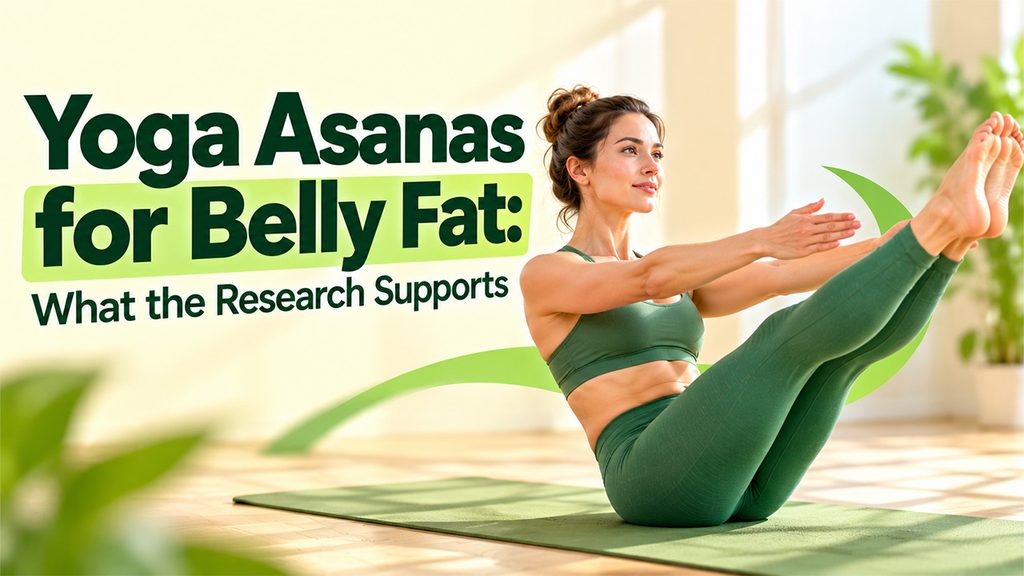
Navasana (Boat Pose)
Raise your legs along with your torso off of your floor forming a V-shape with your body. You can hold this pose for 15 to 30 seconds at a stretch.
This is an ideal goal for most people. It means participating in three to five sessions per week, lasting between 20 and 30 minutes. Those suffering from back conditions, hypertension, or are pregnant should talk to a qualified professional prior to starting this.
Conclusion
For people learning how to lose belly fat at home, consistent lifestyle habits are more useful than exercises that target specific muscles or products that promise fast results. Walking will continue to have great benefits when it comes to maintaining your weight while yoga helps boost both energy expenditure and strength levels. And finally, getting enough sleep also plays an important role when it comes to preventing visceral fat gain. If organizations and/or people incorporate all these elements into their day-to-day lives while measuring outcomes based off of waist circumference changes, they will likely see success over time.
And most importantly, if you have pre-existing health issues, suffer from a history of disordered eating, or currently are pregnant, please contact your doctor prior to making dietary/exercise-related changes as necessary.
FAQs :
Can I lose belly fat by just exercising?
Exercise helps, but you need to also focus on your diet too.
Can I target belly fat with crunches/planks?
No, spot reduction is actually myth, most of the time your body loses fat from everywhere not from one place.
How long does it take to see results?
Most people notice results in 4 to 8 weeks (but maybe differ from person to person).
Does stress or poor sleep affect belly fat?
Yes, both increase cortisol, which then increases fat storage.