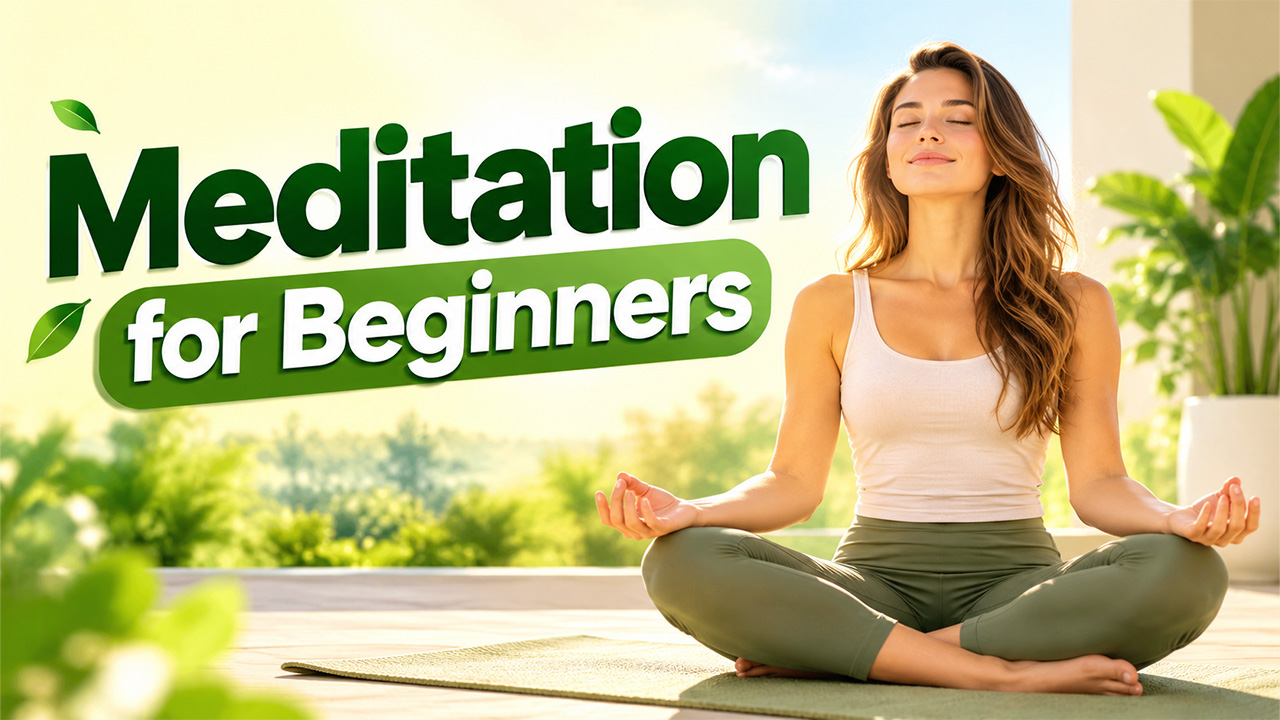

Many people are interested in trying meditation, but most of them never do. They tell themselves that it will take too much time or that they will inevitably perform it incorrectly in some way. Both of these assumptions are completely false, and even five minutes of meditation a day will produce meaningful results.
A 2010 study in Science, by Killingsworth and Gilbert, tested how often minds drift off tasks. People reported thinking of something else for about 47 percent of the time. This is a major problem in our world, especially when you cannot control your thoughts, and meditation is the perfect solution.
This post will introduce you to the basics of meditation for beginners and explain how it positively affects the mind and body. Then it will teach a basic five-minute meditation practice that is easy to follow and can be done anywhere at any time.
You can read more in the Harvard Gazette’s coverage of the study.
What Meditation Is, and What It Is Not
The goal of meditation is to train our minds to focus on things we choose – usually our breath or some kind of mantra (a sound or word we repeat). When our attention wanders, we simply notice that it has wandered and refocus on what we want to focus on.
Mindfulness is a popular form of meditation which encourages us to pay attention to the present moment without judgment.
There are a few myths about meditation for beginners that have put people off trying it out. One is that you should stop your thoughts from coming in while meditating. But you don’t even have to try doing this – you’re likely having lots of thoughts anyway as you go through the rest of your day! All you need to do is notice that you’ve drifted into another thought and gently bring your attention back to what you were trying to be focused on.
Another myth is that if you start meditating, you’ll feel very calm all the time. But there’s no reason why you would. If you find you’re getting too quiet during your sessions, then perhaps you need to change what you’re focusing on.
A lot of beginners who get started on meditation think they need to sit still for hours at a time. This isn’t true either. You can do shorter sessions each day if that’s more convenient for your lifestyle. And finally, some people worry that when starting meditation, they won’t be able to concentrate well enough. In reality, a good meditation session may feel very dull or restless to begin with – but this doesn’t mean that you’ve failed to complete it successfully!
What Are the Benefits of Meditation for Beginners?
A lot has been written about meditation lately, and most research into meditation finds that beginners have positive outcomes. A review published in JAMA Internal Medicine (Madhav Goyal, 2014) reports that meditation programs can result in small to moderate reductions of multiple negative dimensions of psychological stress (like anxiety, depression, and pain).
The results reported were based on 47 trials with 3515 participants. These included a variety of types of meditation, but they usually lasted for several weeks, and they involved some kind of structured program.
Even beyond the basics, however, studies find that people who do more consistent meditation begin developing increased body awareness as well. This allows them to notice when their shoulders are tense, or how clenched their jaws might be, and release tension faster than before. Meditation gives us a greater sense of control over our emotional state and our lives and provides a great technique for developing mindful habits — just noticing what your brain is doing right now!
But also keep in mind that meditation alone can’t substitute medical treatment, you should definitely talk to your doctor if you feel overwhelmed by stress or sad all the time.
How to Meditate in Five Minutes
- Choose a quiet spot – somewhere where you know a few things will be able to interrupt you. Silence your phone. Your room (or your office), or a parked car are good places.
- Set a Timer & Aim – This soft alarm ensures that you don’t have to keep checking the time during this meditation practice. Make sure to set your aim for this session in just one sentence, e.g., “For 5 mins, I shall focus on my breath”.
- Sit up Tall – Sitting in a chair, rest your feet flat on the floor, allowing your hands to fall naturally into your lap and make sure your back remains tall and relaxed without being too rigid. If sitting doesn’t appeal, then simply placing yourself onto a cushion upon the ground will give you an equally good position to meditate. Alternatively, you could lie down. (You’ll probably end up going to sleep!)
- Breathe slowly – Close your eyes (or direct your attention to a spot on the floor ahead of you). Inhale deeply for three counts through your nose, exhaling through your mouth. These are your first, slow, calming breaths into the meditation practice. They help let your body know this session is beginning.
- Attention – Pay attention to your natural breath. Allow your natural pattern of inhale/exhale to take hold again.
- Find a place to look at – Maybe your nostrils, chest, or belly—and allow your attention to be there.
- Welcome the wandering thoughts – It’s normal for your mind to wander to various places while meditating—plans, worries, sounds, etc. Simply acknowledge what’s happening by mentally labeling “thinking,” and then gently refocus on your breath.
- End with a pause. When the timer rings, take a slow breath and open your eyes.
You might experience itching or drowsiness, but these things will disappear as you observe them. Early on most people find their meditations feel quite awkward (and very hard to focus) – but this is because your body is not used to the concept of meditation and this is perfectly natural! Five minutes can seem like forever if you are new to this practice. Start with just 3 mins and build up by an additional minute every week.
Your body will adapt to it, relax.
Building a Daily Meditation Habit
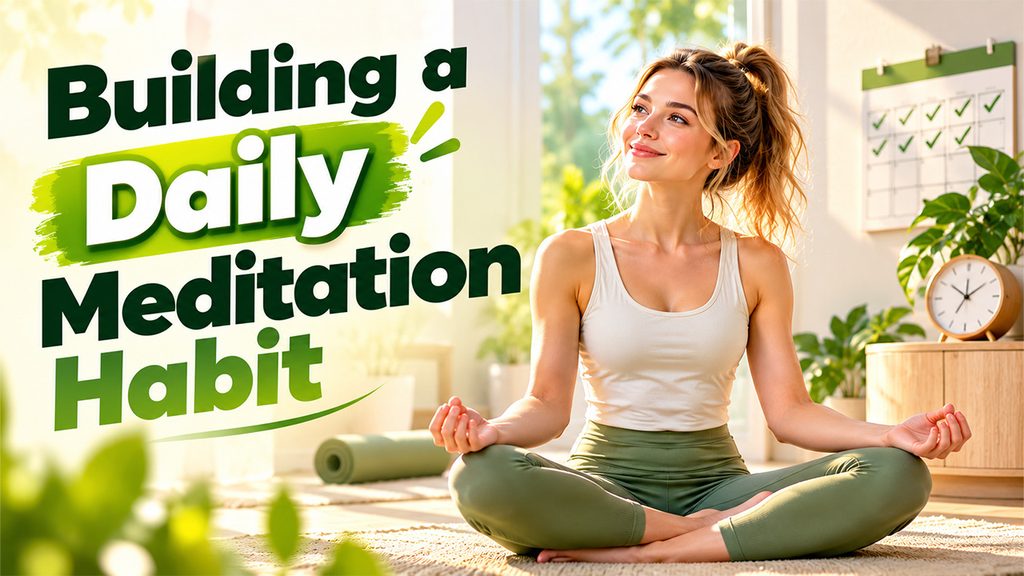
Try making it just 5-10 minutes every single day instead of trying to fit in a longer meditation that happens maybe once per week and consider a beginner yoga routine at home as a complementary practice.
Link meditation with an existing activity like brushing your teeth or having your morning tea. This gives you a natural cue without needing tons of willpower to get started. And don’t forget – doing morning sessions, because they work really well for many folks, and in the morning there’s less stuff fighting for your attention and you have some energy.
If mornings are super hectic though, try scheduling in your lunchtime or even right before going to sleep. Pick a slot that works for you, then stick with it every single day.
Set up your chair/cushion (wherever you sit) so all the setup stuff doesn’t take energy out of you. You might want to set up a reminder on your phone too, especially if you’re starting out & aren’t sure yet when you’ll actually remember to meditate. Also consider using a calendar tracker system where you can mark off your days that you complete.
If you’ve got a buddy, who’d love to do this together too? Then you’ll both be extra motivated!
And lastly? Start small, baby steps, try setting goals that may include increasing duration as you go but keeping everything within manageable bounds. Also consider writing down one sentence about how you felt after each session + reviewing them each month to see what kind of changes you’ve made!
Conclusion
Meditation is a relatively simple skill to develop, and spending a few minutes each day on it will bring substantial benefits. At this point, you understand what meditation for beginners involves, what it is not, and the various benefits that it provides. In addition, you also learned an approach, some techniques, and how to develop regular practice. Now it is time to pick a specific time to sit and meditate for the first time. It might not be perfect, and it does not have to be. As you continue to practice regularly, it will help you immensely. Just be sure to keep your first session short and to maintain a consistent approach throughout. Do not forget to share what you have learned with a friend who should also start meditating.
FAQs :
How long should a session of meditation for beginners last?
Start with 3 to 5 minutes a day and add one minute every week.
How to meditate without stopping thoughts?
You don’t need to stop your thoughts; just notice them and return to your breath.
Is daily meditation better than longer, less frequent sessions?
Yes, short daily sessions build the habit.
What are the easiest meditation techniques for beginners?
Breath focus and mindfulness are fairly simple places to start.
Is guided meditation good for beginners?
Yes, a guide’s voice makes it easier to stay focused while you learn.